Is PLMA Amsterdam Worth It? Costs Explained
In short
Thinking about exhibiting at PLMA Amsterdam? We break down the real costs, ROI, and smarter alternatives for manufacturers seeking foreign buyers.
Ask your AI about this guide:ChatGPTClaudePerplexity
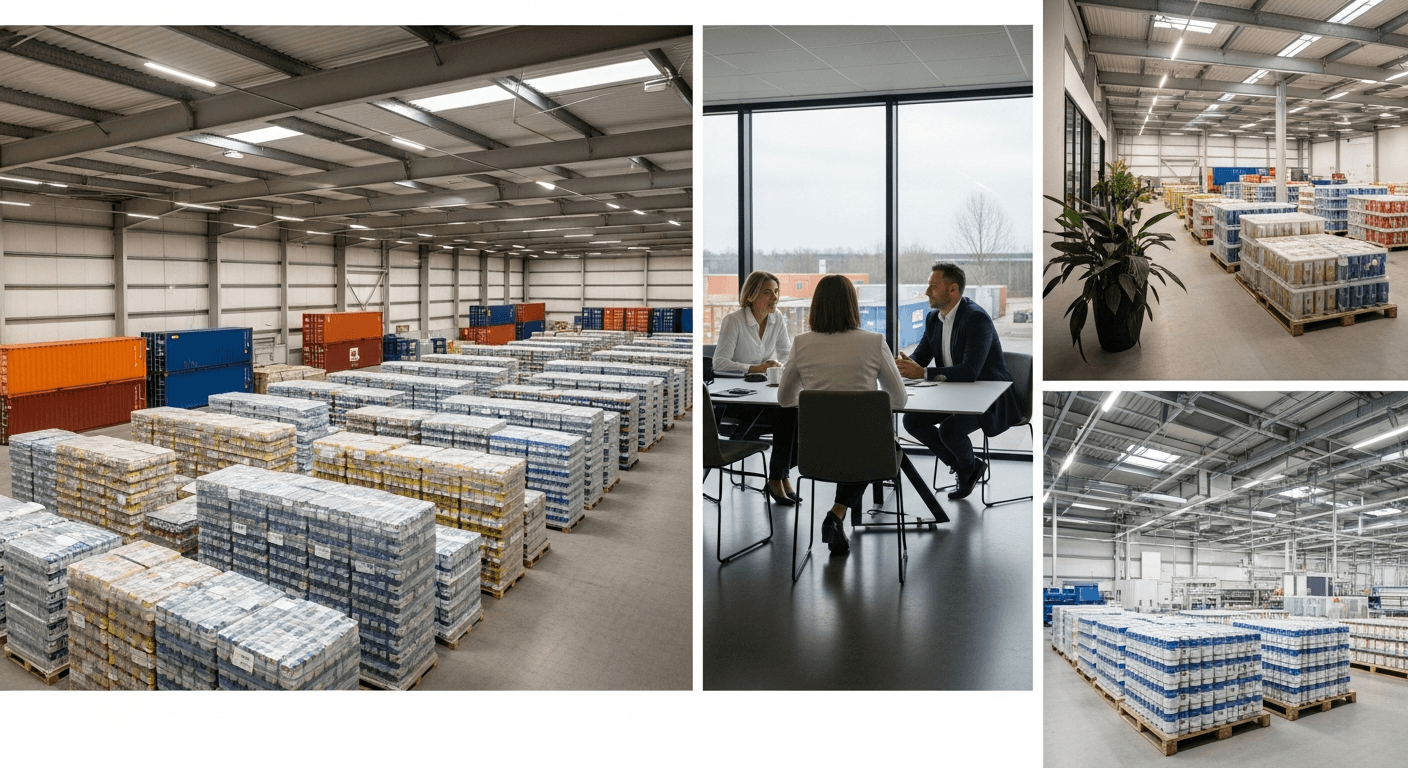
Is PLMA Amsterdam Worth It? Private Label Fair Costs Explained
Every spring, thousands of manufacturers pack their samples, book flights to Amsterdam, and spend tens of thousands of euros hoping to land the right conversation with a purchasing director or category buyer. PLMA's 'World of Private Label' is undeniably the biggest event of its kind. But for a Polish food manufacturer or a Czech cosmetics producer trying to break into the UK or DACH market, the question isn't whether PLMA is impressive. The question is: is it worth it for you?
In this article, we break down the real costs of exhibiting at PLMA Amsterdam, what you actually get for your money, and how to decide whether a trade fair is the right use of your export budget. We'll also show you what a growing number of CEE manufacturers are doing instead.
Why PLMA Amsterdam Matters for Private Label Manufacturers
Let's start with the facts. PLMA's 2025 'World of Private Label' International Trade Show is not a small event. According to PLMA International Council, the 2025 edition hosted 3,160 exhibiting companies from 75 countries and attracted more than 32,000 private label professionals from over 125 countries. That's a serious concentration of decision-makers in one place.
The timing also matters. The European private label market is not a niche anymore. Private label share across 17 European countries grew to 38.8% based on MAT W52 2025, an increase of +0.33 percentage points year-on-year. Retailers are actively looking for new suppliers who can manufacture to specification, deliver on quality, and offer competitive pricing.
📊 Private label sales grew by €15.3 billion across 17 European countries in 2025 (Source: NielsenIQ for PLMA's Private Label Market Report, 2026)
For manufacturers who can produce private label goods, this is a genuine commercial opportunity. The question is how to access it efficiently.
The Real Cost of Exhibiting at PLMA Amsterdam
This is where many manufacturers get a shock. The headline cost of a stand at PLMA is only part of the picture. Here is what you're actually looking at:
Membership and Entry Fees
To exhibit at PLMA, you must either be a member (annual PLMA membership fee: EUR 1,500) or pay a non-member surcharge of EUR 2,500. This is before you've booked a single square metre of floor space.
Stand Rental and Construction
Stand costs vary depending on size, location, and whether you join a national pavilion or go solo. As a benchmark, a Finnish Country Pavilion stand package was priced at €13,400 in 2025. A standalone stand with custom construction will typically cost more. When you factor in stand design, furniture, lighting, and branded materials, you're easily looking at €10,000-€20,000 for a modest presence.
Travel, Accommodation, and Staff Time
Amsterdam in May is not cheap. Budget for:
- Flights and transfers for 2-3 staff members
- Hotel accommodation for 3-4 nights (Amsterdam hotels during trade fair season often run €200-€350 per night)
- Meals, transport, and incidentals
- Product samples, shipping, and logistics
A realistic total for a small-to-mid-size manufacturer attending PLMA as an exhibitor sits between €15,000 and €30,000 for the full trip. And that's before you've had a single conversation with a category buyer.
⚡ Pro Tip: If you're considering PLMA for the first time, visit as an attendee before committing to a stand. Walk the floor, see who's buying, and assess whether your product category is well-represented. It will save you a costly mistake.
What Do You Actually Get for That Investment?
Fair question. PLMA does offer real value, but it's important to be realistic about what kind of value and for whom.
Networking with Decision-Makers
The show floor puts you in the same room as import managers, purchasing directors, and category buyers from supermarkets, hypermarkets, discount chains, and e-commerce retailers. If you have a compelling product and a well-positioned stand, you can have meaningful conversations that lead somewhere.
The challenge is that everyone else on the floor is trying to do the same thing. A purchasing director from a major German retailer might walk past 200 stands in a day. Getting noticed, and remembered, requires more than a nice banner and a bowl of samples.
Market Intelligence and Seminars
PLMA runs seminars and workshops featuring speakers from organisations like NielsenIQ and Daymon. These sessions provide genuine insight into private label trends, category performance, and retailer strategy. If you're new to private label or entering a new market, this intelligence has real value.
💡 Key Insight: In 2025, private brands represented 44% of all new products launched in Western Europe, with this figure reaching nearly 70% in the food category (Source: Circana, 2026). If you're a food manufacturer, the private label opportunity is not a future trend. It's happening now.
The Limitations
Here's the honest assessment: PLMA works best for manufacturers who already have some private label experience, a polished product range, and the resources to follow up properly after the show. For a manufacturer attending for the first time, with a small team and no established contacts in the UK or DACH market, the conversion from stand visitor to signed contract can take 12-18 months, if it happens at all.
The show is three days. Your stand is one of 3,000+. And the buyers you meet are simultaneously being approached by competitors from Spain, Italy, Turkey, and beyond.
The Private Label Market Opportunity Is Real. The Question Is Access.
Let's zoom out for a moment. The commercial case for targeting private label buyers in Western Europe is strong.
In 2025, private brands in the six major European FMCG markets reached approximately €324 billion in total sales, consolidating an average market share of 42% in value terms. The three largest European grocery markets, Germany, the United Kingdom, and France, have a collective private label share of 40.4%, which grew +0.3% versus the previous year.
These are not marginal numbers. Retailers in the UK, Germany, the Netherlands, and Scandinavia are actively expanding their private label ranges, and they need suppliers who can deliver.
📊 Private label value growth in Europe hit 4.1% in 2025, outpacing manufacturer brands at 2.7% (Source: NielsenIQ for PLMA's Private Label Market Report, 2026)
The opportunity is real. The question is whether a three-day trade fair in Amsterdam is the most efficient way to access it, or whether there are smarter ways to get in front of the right purchasing directors and category buyers.
If you're targeting the DACH region specifically, our guide to finding German distributors as a manufacturer covers the buyer landscape in more detail.
PLMA vs. Year-Round Buyer Contact: A Cost Comparison
Let's put the numbers side by side.
| Approach | Cost | Duration | Meetings Guaranteed | Buyer Types Reached |
|---|---|---|---|---|
| PLMA Amsterdam (exhibiting) | €15,000 - €30,000+ | 3 days | None | Broad, unfiltered |
| National pavilion (e.g., Finnish package) | ~€13,400 | 3 days | None | Broad, unfiltered |
| ProspectX pilot programme | Fixed fee | 8-12 weeks | 10 minimum | Import managers, purchasing directors, category buyers, distributor owners |
The contrast is stark. A full PLMA exhibitor package can cost ten to fifteen times more than a structured contact programme, with no guarantee of a single qualified conversation.
At ProspectX, we've seen this firsthand. Manufacturers come to us after spending €20,000 at a trade fair and walking away with a stack of business cards and no follow-up meetings. The issue isn't always the product. It's the format. Three days of passive stand-based networking is a very expensive way to find buyers in markets where you have no existing relationships.
Casper Morawski, founder of ProspectX, puts it directly: "Trade fairs are great for brand visibility once you're already known in a market. But if you're a Polish food manufacturer trying to get your first meeting with a purchasing director at a UK retailer, you need direct access, not a booth."
For one apparel manufacturer, our programmes have generated over 100 qualified buyer inquiries per month for more than two years. Our pilot programmes guarantee a minimum of 10 qualified meetings within 8-12 weeks, on a fixed fee. That's a fraction of what a single PLMA stand costs, and the meetings are with decision-makers in your specific target markets.
Learn more about how our buyer-meeting process works and what a typical pilot programme looks like.
When PLMA Amsterdam IS Worth It
We're not saying PLMA is never worth attending. For the right manufacturer, it's a genuinely valuable event. Here's when the investment makes sense:
- You already have private label experience and a proven product range that meets retailer specifications
- You have existing contacts in your target markets and want to deepen those relationships in person
- Your product category is well-suited to private label (food, beverages, cosmetics, confectionery, household goods)
- You have the team and budget to follow up properly after the show, including dedicated export staff who can handle enquiries in English and the relevant local languages
- You're in a growth phase where brand visibility across multiple markets simultaneously is a strategic priority
- You've attended as a visitor at least once and know who the relevant buyers are before you invest in a stand
If most of those conditions apply, PLMA can accelerate your private label export efforts meaningfully. If they don't, you risk spending €20,000+ to hand out brochures to visitors who won't remember you by Monday.
💡 Key Insight: The manufacturers who get the most from PLMA are typically those who book meetings in advance, not those who rely on walk-up traffic. If you're planning to exhibit, start reaching out to target buyers two to three months before the show.
For manufacturers in food and beverage or cosmetics who want to understand the broader private label buyer landscape before committing to a trade fair, our overview of private label export opportunities for CEE manufacturers is a useful starting point.
A Smarter Approach: Combining Trade Fairs with Direct Contact
The most effective manufacturers don't choose between trade fairs and contacting buyers directly. They use both, strategically.
Here's a practical framework:
- Start by contacting buyers directly to build relationships with import managers and purchasing directors in your target markets (UK, DACH, Nordics, Benelux) before any trade fair investment
- Use early conversations to identify which buyers are actively sourcing in your category and at what price points
- Attend PLMA as a visitor in year one to understand the competitive landscape and meet contacts you've already been speaking with
- Exhibit at PLMA in year two with a warm list of pre-arranged meetings, a polished stand, and a clear value proposition
- Keep contacting buyers year-round between trade fairs so your commercial activity doesn't depend on a single three-day event
This approach turns PLMA from a speculative expense into a strategic touchpoint within a broader export effort. It's also how you avoid the common mistake of treating trade fair attendance as a substitute for a proper market entry strategy.
You can explore how ProspectX supports manufacturers entering new export markets with focused buyer contact programmes across the UK, DACH, Nordics, and Benelux.
Key Takeaways
- PLMA Amsterdam is the world's largest private label trade show, attracting over 32,000 professionals and 3,160 exhibitors, making it genuinely significant for manufacturers in food, cosmetics, and confectionery.
- The real cost of exhibiting at PLMA, including membership, stand rental, construction, travel, and accommodation, typically falls between €15,000 and €30,000 for a small-to-mid-size manufacturer.
- The European private label market reached €387 billion in value with a 38.8% share across 17 countries in 2025, confirming that the commercial opportunity for manufacturers is substantial.
- PLMA delivers the best return for manufacturers who already have private label experience, existing market contacts, and a team capable of following up enquiries in the relevant languages.
- Contacting purchasing directors, import managers, and category buyers directly is a cost-effective complement to trade fair attendance, not a replacement for it.
- A ProspectX pilot programme is a fixed fee and guarantees a minimum of 10 qualified meetings with decision-makers in your target markets within 8-12 weeks.
- The smartest manufacturers combine year-round direct contact with selective trade fair attendance, using fairs to deepen relationships rather than initiate them.
Frequently Asked Questions
How much does it cost to exhibit at PLMA Amsterdam?
The total cost of exhibiting at PLMA Amsterdam typically ranges from €15,000 to €30,000 or more for a small-to-mid-size manufacturer. This includes an annual PLMA membership fee of €1,500 (or a non-member surcharge of €2,500), stand rental and construction costs (a Finnish Country Pavilion package was €13,400 in 2025), plus travel, accommodation, and logistics for your team. Costs vary significantly depending on stand size, location, and whether you join a national pavilion.
Is PLMA Amsterdam worth attending if I'm new to private label exports?
For first-time private label exporters, attending PLMA as a visitor rather than an exhibitor is a more cost-effective starting point. Walking the floor lets you assess the competitive landscape, identify relevant buyers, and make initial contacts without committing to a €15,000+ stand investment. Exhibiting makes more sense once you have established relationships in your target markets and a proven private label product range.
What types of buyers attend PLMA Amsterdam?
PLMA attracts purchasing directors, category managers, and import managers from supermarkets, hypermarkets, discount chains, and e-commerce retailers across more than 125 countries. The 2025 edition drew over 32,000 private label professionals, including buyers from major retailers across the UK, Germany, France, the Netherlands, and Scandinavia.
What are the alternatives to PLMA for finding private label buyers in Europe?
Contacting purchasing directors and import managers directly is one of the most cost-effective alternatives to trade fair exhibiting, particularly for manufacturers entering new markets for the first time. Services like ProspectX deliver guaranteed meetings with decision-makers in target markets such as the UK, DACH, Nordics, and Benelux, at a fraction of the cost of a trade fair stand. The two approaches work best in combination, with direct contact building relationships year-round and trade fairs deepening them in person.
How big is the private label market in Europe?
The European private label market is substantial and growing. Private label share across 17 European countries reached 38.8% of total grocery value in 2025, and private brands in the six major European FMCG markets generated approximately €324 billion in total sales. Private label value growth of 4.1% in 2025 outpaced manufacturer brand growth of 2.7%, indicating a sustained long-term shift in consumer purchasing behaviour.
Conclusion
So, is PLMA Amsterdam worth it? The honest answer is: it depends on where you are in your export journey. If you're an experienced private label manufacturer with existing contacts in Western Europe and a team ready to convert conversations into contracts, PLMA is one of the best places to be. If you're earlier in the process, spending €20,000 on a stand before you've had your first conversation with a UK or German purchasing director is a significant risk.
The private label opportunity across Europe is real and growing. The question is how you access it most efficiently. For manufacturers looking to find foreign buyers without committing to a full trade fair budget upfront, contacting decision-makers directly offers a faster, more measurable route to qualified meetings.
If you're a manufacturer looking to find foreign buyers without spending €15,000+ on trade fairs, ProspectX can help. We deliver ready-made meetings with import managers, purchasing directors, and distributors in your target markets. Book a free first call to discuss your export goals.